
Blog
Smart Seasonal Strategies for Reliable Home Comfort in Elk Grove

Elk Grove’s weather swings can stress every part of a comfort system, from outdoor condensers to attic ductwork. Planning around the calendar protects efficiency and helps avoid breakdowns during peak demand. Early spring is ideal for AC maintenance and inspections, while late summer and early fall are perfect for checking heating components before cooler nights return. Homeowners who schedule thoughtfully reduce surprises and gain time to make informed decisions about repairs, upgrades, or larger improvements like Attic Insulation.
The Value of Proactive Maintenance
When equipment runs at its best, bills stabilize and comfort stays consistent. Routine AC maintenance and heating repair checks keep coils clean, airflow balanced, and safety limits in line. Proactive tune-ups also help diagnose small issues before they become major failures, whether that’s a worn capacitor, a clogged condensate line, or early signs of duct leakage. Many homeowners choose to combine maintenance with targeted insulation services to improve envelope performance and ease strain on HVAC components.
Matching Solutions to the Home
Every property has unique needs. Some benefit most from AC repair that restores a dependable system, while others may gain by planning AC installation to replace an aging unit with a more efficient model. Heat pumps and Mini splits can be strong options for rooms that are hard to condition or for homes seeking zoned comfort. Water heater repair can complement overall comfort planning, ensuring hot water reliability without sidelining climate control upgrades.
What to Expect During Service Calls
Clear communication and a step-by-step process help homeowners stay in control. From thermostat checks to static pressure testing, each part of the visit should lead to a clear explanation of findings and options. In particular, homeowners seeking hvac repair elk grove should expect transparent diagnostics, a focus on root causes, and guidance that prioritizes long-term system performance over quick fixes.
A Practical Homeowner Checklist
Use this plan to get organized before the busy season:
1) Schedule HVAC Services ahead of peak weather. Early appointments help avoid delays and allow time for AC repair or heating repair without rush decisions.
2) Ask for a full airflow assessment. Technicians can evaluate ductwork for blockages, damaged runs, or leaks that reduce capacity and unevenly cool or heat rooms.
3) Review insulation levels. Consider Attic Insulation or broader insulation services where heat transfer is high; better insulation reduces load and supports stable comfort.
4) Discuss equipment age and history. If repair frequency is climbing, compare the benefits of targeted fixes versus a well-timed AC installation or a transition to Heat pumps.
5) Consider zoning or supplemental solutions. Mini splits can solve hot spots and additions without major duct changes, improving efficiency where it’s needed most.
6) Verify maintenance timelines. Filter changes, coil cleanings, and drain line checks are simple steps that protect equipment and help maintain consistent performance.
Efficiency Beyond the Thermostat
Comfort relies on more than setpoints. Correct refrigerant charge, balanced ductwork, and clean coils work together to deliver the capacity your home paid for. Small airflow restrictions can cause big energy losses, so damper settings and return placement deserve attention during service visits. Pairing equipment care with envelope upgrades creates a steady, lower-stress workload for the system.
Planning for the Future
A thoughtful roadmap makes comfort projects manageable. Start with essential maintenance and any urgent AC repair, then consider upgrades with the best return, such as sealing leaky ducts or adding Attic Insulation. If a replacement is on the horizon, weigh options like Heat pumps or Mini splits that can adapt to changing needs and room-by-room preferences. When work is staged in the right order, homeowners get reliable comfort and a system prepared for Elk Grove’s seasonal demands.
Smarter HVAC Choices for Elk Grove Homes: Comfort, Efficiency, and Year-Round Reliability

Elk Grove’s climate demands a cooling and heating strategy that balances comfort, efficiency, and resilience. Between hot summers and cool, damp winters, homeowners benefit from a plan that goes beyond quick fixes and focuses on system health, airflow, and the building envelope. From AC repair and AC maintenance to insulation services and ductwork upgrades, thoughtful decisions today can reduce stress, lower energy use, and improve indoor air quality for years to come. When urgent help is needed, local solutions such as ac repair elk grove keep households safe and comfortable while longer-term improvements take shape.
Why Preventive Care Beats Emergency Fixes
Regular AC maintenance is the foundation of dependable performance. Clean coils, calibrated thermostats, and tested safety components can prevent breakdowns during the hottest afternoons. Heating repair receives the same logic: inspecting burners, heat exchangers, and electrical connections ahead of cold snaps reduces risk and improves efficiency. Pairing scheduled service with smart thermostats and basic filter changes delivers consistent airflow and stable temperatures without overworking equipment.
Choosing the Right System for the Space
System fit matters more than brand buzz. Heat pumps provide efficient heating and cooling in moderate climates and can be matched with traditional furnaces for hybrid performance. Mini splits shine in bonus rooms, garages-turned-offices, and additions where extending ductwork is costly or impractical. For new construction or full upgrades, AC installation should account for square footage, insulation level, sun exposure, and ventilation goals so the chosen capacity aligns with real-world load, not just nameplate ratings.
Air Distribution and Insulation Matter
Even the best equipment underperforms if air can’t move efficiently. Leaky, undersized, or poorly routed ductwork causes uneven rooms, noisy returns, and wasted energy. A professional assessment can identify restrictions, pressure imbalances, and thermal losses, then recommend sealing, resizing, or rerouting for smoother delivery. In parallel, Attic Insulation is a powerful ally. Proper insulation services help keep conditioned air where it belongs, easing the workload on HVAC systems while improving comfort at the perimeter rooms most vulnerable to heat gain and loss.
Energy Efficiency and Indoor Air Quality
Efficiency is more than a label—it’s a system of habits and upgrades. High-efficiency filters, well-sealed ducts, and calibrated refrigerant charge improve performance and air quality together. Heat pumps and modern condensers operate more effectively when paired with proper airflow and clean coils. If humidity or stale air is a concern, ventilation strategies can be fine-tuned without sacrificing efficiency. Don’t overlook supporting equipment like water heater repair; steady hot water delivery and good combustion air management influence overall home comfort and safety.
Seasonal Readiness Checklist
1. Schedule comprehensive HVAC Services before peak seasons to catch small issues early and verify safe operation.
2. Replace or clean filters on the manufacturer’s timeline to protect coils and maintain steady airflow.
3. Inspect ductwork for leaks, kinks, and poor insulation; seal and insulate where needed to boost delivery.
4. Evaluate insulation services in the attic; upgrade Attic Insulation to stabilize indoor temperatures and reduce cycling.
5. Test thermostat accuracy and programming so setpoints reflect actual needs without short cycling.
6. Consider targeted solutions—Mini splits for hard-to-condition spaces and Heat pumps for efficient, year-round comfort.
A Balanced Path to Comfort
Elk Grove homeowners get the best results by combining timely AC repair with long-range improvements that support system health. Start with maintenance to stabilize performance, then strengthen the building envelope and air distribution. When it’s time for replacement or expansion, choose right-sized equipment matched to the home’s thermal profile. This layered approach cuts energy waste, reduces surprise breakdowns, and keeps each room consistently comfortable—season after season.
Optimizing Home Comfort in a Changing Climate

Home comfort is no longer a set-it-and-forget-it proposition. Rising temperatures, wildfire smoke days, and colder winter snaps are shifting how households plan for heating and cooling. A seasonal strategy keeps energy bills predictable and equipment running smoothly. In spring, AC maintenance preps coils, refrigerant levels, and airflows for hot spells. In fall, a careful heating check helps furnaces and heat pumps start clean and safe. Year-round attention to ductwork and filtration protects indoor air quality and system efficiency, helping your home stay comfortable without overworking equipment.
When Quick Help Matters: hvac repair elk grove and Beyond
Unexpected breakdowns happen at the worst times—during a heat wave or on a chilly evening. Fast, accurate diagnostics reduce downtime and prevent repeated failures. Prioritizing prompt service, clear communication, and fix-first solutions ensures you get the most from your existing system. Whether it’s AC repair to restore cooling, heating repair to bring back warmth, or water heater repair to stabilize hot water supply, timely attention preserves comfort and helps avoid costlier issues later.
Signs Your System Needs Attention
Small clues often precede big problems. Look for:
- Uneven temperatures or weak airflow in specific rooms
- Short cycling, hard starts, or unusual noises
- Rising utility bills despite normal usage
- Musty odors, visible dust plumes, or aggravated allergies
- Ice on refrigerant lines or moisture around indoor air handlers
Addressing these symptoms early can be as simple as filter changes, coil cleaning, or resealing leaky ducts. If the system is older, a tune-up can recalibrate performance, extend lifespan, and improve reliability for the season ahead.
Efficiency Upgrades That Pay Off
Incremental upgrades often deliver outsized benefits. Smart thermostats optimize run times and forecast comfort needs. Mini splits serve additions or converted garages without new ducts, offering precise zoning. Modern heat pumps provide efficient heating and cooling in a single package, especially when paired with well-designed ductwork. Insulation services and targeted Attic Insulation reduce heat gain in summer and heat loss in winter, allowing smaller systems to perform better. When a replacement becomes the right move, professional AC installation focuses on proper load calculations, airflow balancing, and refrigerant charging to achieve the rated efficiency—not just on paper, but in real-world operation.
Professional Care and Compliance
Reliable HVAC Services prioritize safety and code compliance. Proper venting, electrical integrity, and refrigerant handling protect both occupants and the environment. Technicians trained on evolving standards help ensure your equipment operates within manufacturer specs, preserving warranties and enhancing longevity. Consistent AC maintenance doesn’t just chase problems; it builds a documented history that guides smarter decisions, whether you’re managing a minor repair or exploring future system upgrades.
Planning Ahead for Resilience
Weather patterns can be unpredictable, so build resilience into your home plan. Consider backup heat sources compatible with your primary system, evaluate filtration options for smoke season, and schedule routine checkups before peak demand. Proactive duct testing, airflow verification, and insulation assessments reduce strain on equipment and steady your indoor climate. With the right mix of upkeep, thoughtful upgrades, and responsive service, your home can remain comfortable, efficient, and ready for whatever the forecast brings.
Smart HVAC Strategies for Reliable Summer Comfort in Elk Grove
Reliable cooling starts with understanding how your HVAC system breathes, moves heat, and responds to changing summer conditions in Elk Grove.
Diagnose Before You Replace
Thoughtful diagnostics protect comfort and budget. When an air conditioner struggles, the root cause is often a small part or airflow restriction rather than a failing compressor. Start with symptom mapping: Is the system running but not cooling, short-cycling, or unusually loud? Each clue points to a different path. For example, warm air at vents can indicate a clogged filter, iced evaporator coil, low refrigerant due to a leak, or even a thermostat miscommunication. A buzzing outdoor unit might reveal a start component issue, while uneven room temperatures frequently trace back to duct leakage or blocked returns. Good technicians verify basics—power, controls, and airflow—before testing refrigerant pressures and electrical components. This methodical sequence prevents guesswork, uncovers hidden contributors such as dirty blower wheels or bent coil fins, and often turns a “replacement” conversation into a straightforward repair with targeted parts and cleaning.
Seasonal Maintenance That Pays Off in Heat Waves
Summer-ready systems are built in spring and maintained through peak heat. A clean filter keeps static pressure in check and protects motors. Outdoor coils should be gently rinsed to remove cottonwood fluff and dust that insulate the coil and force longer run times. Indoors, ensure the evaporator coil and condensate drain are clear to avoid icing and water damage. Thermostat calibration confirms that what you set is what you get. Duct inspections catch disconnected runs in attics or crawlspaces that waste cooled air. Consider airflow balancing if some rooms lag behind others; minor damper adjustments can make a remarkable difference. During maintenance, a technician can also tighten electrical lugs, inspect contactors for pitting, measure temperature split across the coil, and verify fan speeds align with manufacturer guidance. These small steps build reliability when Elk Grove’s afternoon highs put every component to the test.
Airflow and Efficiency: The Hidden Levers of Comfort
Comfort depends on how much air your system moves and how well that air is delivered. Undersized returns choke airflow, forcing the blower to work harder and making coils more likely to freeze. Leaky or uninsulated ducts in hot spaces can transform cooled supply air into lukewarm drafts by the time it reaches a bedroom. Practical improvements include sealing duct joints, insulating exposed runs, and ensuring registers are fully open in primary living spaces. Indoors, clear the path: keep furniture and rugs from blocking returns, and leave doors slightly open to rooms without dedicated returns to promote circulation. Outside, maintain a two- to three-foot clearance around the condenser and trim shrubs to support proper heat rejection. When airflow is right, compressors cycle as intended, humidity control improves, and energy use steadies—often yielding quieter operation and more consistent temperatures without changing the thermostat setting.
Homeowner Checks Before You Schedule Service
A few quick checks can save time before scheduling professional help. Verify the thermostat mode, setpoint, and fan setting, and replace batteries if applicable. Confirm the indoor breaker and outdoor disconnect are on. Inspect the air filter; if it looks matted or dark, replace it and allow the system to run for a full cycle. Look at supply registers and return grilles to make sure they are open and unobstructed. Step outside and listen: a silent outdoor unit while the indoor fan runs often suggests a control or power issue at the condenser, while a noisy fan with little heat blowing upward can hint at a dirty coil. If frost is visible on refrigerant lines, switch the system to “fan only” to thaw the coil and prevent further strain. With these basics covered, ac repair elk grove appointments tend to move faster because initial variables are already verified and communicated clearly.
Selecting the Right HVAC Partner for Long-Term Value
The best service partners combine technical depth with clear communication. Look for teams that prioritize testing and explanation over assumptions, provide written findings, and outline multiple repair paths when appropriate. Upfront scope, parts availability expectations, and a transparent timeline build confidence. Ask how they approach recurring issues—such as repeat capacitor failures or chronic low airflow—to ensure the plan addresses causes, not just symptoms. A maintenance plan that documents readings over time is especially valuable; trends in temperature split, motor amperage, and pressure readings can reveal developing problems early. Seek providers who educate on system operation and care, from filter schedules to thermostat strategies and duct upgrades. When repairs are needed during peak season, responsive scheduling, thorough post-repair verification, and simple preventive recommendations help the fix last—keeping comfort steady through the hottest stretches without unnecessary surprises.
Five HVAC Essentials for Reliable Cooling in Suburban Homes
Smart planning, attentive maintenance, and informed decision-making keep air conditioners efficient, safe, and ready for peak-season demand.
Understand the cooling load before choosing equipment
Right-sizing an air conditioner starts with understanding the home’s cooling load—the amount of heat the system must remove to maintain comfort. Factors include square footage, insulation quality, window orientation, shading, duct design, and the number of occupants and appliances. For example, a sun-soaked bonus room over a garage can push a marginally sized system into longer run times and uneven temperatures. Oversized units may short-cycle, causing humidity issues and premature wear, while undersized systems run constantly without meeting setpoints. A professional Manual J–style load assessment helps align capacity with actual demand. Homeowners can support this process by noting hot or cold spots, typical thermostat settings, and any recent changes like window replacements or added attic insulation. Precise sizing not only improves comfort but also stabilizes energy use and reduces equipment strain through the hottest weeks of the year.
Airflow and ductwork make or break efficiency
Even the best condenser and air handler underperform when airflow is restricted. Duct leakage, crushed flex runs, tight turns, and blocked returns all reduce delivered capacity. A simple example: a return grill placed behind a sofa or a closet stuffed against a return cavity can choke airflow and raise static pressure, leading to noisy vents and coil icing. Routine checks should include filter condition, return and supply placement, and visible duct integrity in attics or crawlspaces. Sealing joints with mastic, right-sizing trunks and branches, and adding a dedicated return to an isolated room can restore balance. Measuring total external static pressure and temperature split offers a quick snapshot of system health. When airflow is in the manufacturer’s recommended range, refrigerant pressures normalize, compressors run cooler, and comfort improves at every register.
Refrigerant charge and coil cleanliness protect the compressor
Refrigerant must be charged according to the system’s design, not guesswork. Low charge can cause evaporator coil freeze-ups; high charge can elevate head pressure and stress the compressor. Homeowners often first notice symptoms as lukewarm supply air, longer cycles, or ice on the refrigerant lines. Outdoor and indoor coil cleanliness is equally crucial. Cottonwood seeds, dust, and pet hair clog fins and force the condenser fan and compressor to work harder. Rinsing the condenser coil from the inside out, keeping vegetation trimmed back at least a couple of feet, and ensuring the evaporator coil stays clean behind a properly fitted filter will preserve heat transfer. During a maintenance visit for air conditioning repair elk grove homeowners often pair a charge check with coil cleaning and a thermostat calibration to bring temps, humidity, and run time back into harmony without overhauling major components.
Smart controls and insulation reduce peak stress
Thermostats, zoning, and insulation collectively shape how hard an air conditioner has to work in late afternoon heat. A well-programmed smart thermostat can stage cooling or pre-cool the home before peak hours, then level off to maintain comfort with fewer dramatic swings. Zoning allows different areas—such as a home office and a seldom-used guest room—to receive only the cooling they need, provided the duct design and bypass strategies are correctly implemented. Meanwhile, air sealing and attic insulation reduce heat gain so the system starts from a better baseline. Consider common culprits: recessed lights without covers leaking attic air, a poorly sealed attic hatch, or single-pane west-facing windows without exterior shading. Addressing these details keeps supply temperatures effective longer, reduces run time, and prolongs component life, especially on heatwave days when every minute of efficient operation counts.
Proactive maintenance prevents disruptive breakdowns
A consistent maintenance routine pays off in quieter, more dependable performance. Seasonal tasks include replacing or washing filters on schedule, inspecting condensate drains for clogs and installing a safety float switch, tightening electrical connections, checking blower wheels for debris, and verifying that contactors and capacitors are within spec. Listening is underrated: rattles point to loose panels, grinding can suggest a failing motor bearing, and a harsh buzz from the condenser often hints at electrical issues. Example: a homeowner who notices water near the indoor unit may only need a cleared drain line and a small trap adjustment to prevent ceiling damage and musty odors. Another example: catching a weak capacitor early can save a compressor that would otherwise overheat under high load. Keeping notes—dates, filter sizes, and any observed changes—helps technicians diagnose efficiently and focus repairs where they matter most.
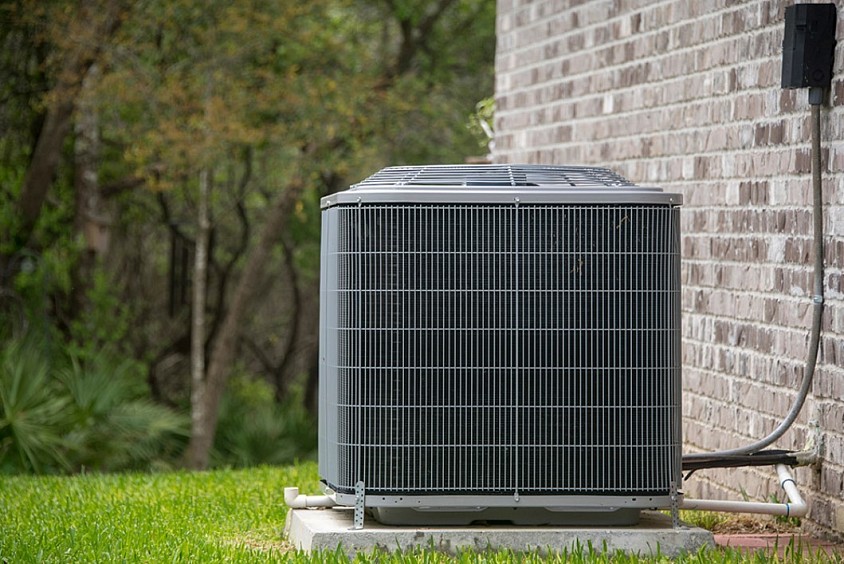
Smart HVAC Maintenance Trends Shaping Comfortable, Efficient Homes in Elk Grove
From scorching summer afternoons to cool Delta breezes, HVAC systems in Elk Grove face unique demands that reward proactive care and modern best practices.
Preventive maintenance as a year‑round strategy
Routine, scheduled maintenance anchors HVAC reliability and efficiency. Instead of waiting for a breakdown, homeowners benefit from a year-round plan that targets essential checkpoints: clearing debris from outdoor condensers, verifying proper refrigerant charge, inspecting blower assemblies, tightening electrical connections, and testing safety controls. In spring, technicians typically prioritize cooling readiness—checking coil cleanliness and airflow—while fall visits focus on heating components and combustion safety for gas furnaces. Consider a practical example: a small refrigerant leak left unaddressed can drift performance downward for months, forcing longer runtimes and higher energy use. Early detection through maintenance not only restores comfort but also guards compressor health. Just as importantly, filters should be replaced on a consistent schedule suited to the home—every 30 to 90 days for many households—to stabilize airflow and protect sensitive components from dust and debris.
Smart controls and data-driven comfort
Modern thermostats and sensors elevate comfort with granular control and better insight. Smart controls learn occupancy patterns, set nuanced schedules, and provide alerts when temperatures or humidity slip outside targets. These devices also capture data that reveals hidden issues—for example, longer cooling cycles may hint at airflow restrictions or declining refrigerant charge. Connected sensors placed in problem rooms can reduce hot and cold spots by guiding more precise adjustments to fan speeds and schedules. Imagine a two-story home where the upstairs routinely overheats in the evening. With a smart thermostat and strategically placed temperature sensors, the system can stage cooling earlier for the second floor while preventing overcooling downstairs. Over time, data trends help confirm whether duct balancing or zoning changes are warranted, ensuring that tweaks are based on evidence, not guesswork.
Ductwork, airflow, and the details that make systems shine
Even the best equipment struggles if ducts are leaky, undersized, or poorly routed. Healthy airflow depends on proper return air pathways, tight duct connections, and thoughtful register placement. In many homes, small corrections pay big dividends: sealing accessible joints, adding mastic to leaky seams, or adjusting dampers to balance rooms. For homeowners planning interior updates, preserving adequate return paths and avoiding furniture-obstructed vents can prevent pressure imbalances that strain motors and reduce comfort. Consider a bonus room above a garage that never cools evenly; a careful duct inspection might reveal long, uninsulated runs or sharp turns that throttle airflow. Remedies could include improving insulation on supply runs, upsizing a short section, or adding a dedicated return. With cleaner paths and verified static pressure, systems typically operate quieter, with steadier temperatures and less wear on blowers.
Responsive repairs and real-world troubleshooting
When the heat spikes, timely diagnostics keep minor problems from becoming major. Homeowners often notice early clues—uneven cooling, unexplained increases in runtime, or new noises. A sensible first check is the filter; a clogged filter can mimic bigger failures by reducing airflow and icing coils. If symptoms persist, professional evaluation is the safest route. During a heatwave, it’s common to hear neighbors talk about air conditioning repair elk grove technicians who arrive to investigate warm air at the registers or intermittent short cycling. On-site, a technician may test capacitors, measure voltage drops, verify thermostat signals, and examine the contactor for pitting. If the outdoor coil is caked with lint or cottonwood fluff, a careful cleaning can restore heat transfer. And when refrigerant circuit issues are suspected, proper leak detection and repair remain essential to protect compressors and maintain reliable cooling.
Indoor air quality and seasonal readiness
Comfort isn’t just temperature; it’s clean, well-balanced air and a system prepared for seasonal shifts. In summer, controlling humidity helps rooms feel cooler at slightly higher thermostat settings, easing system load. Upgraded filtration—matched to the system’s fan capacity—captures fine particulates without choking airflow. During wildfire season or dusty stretches, a clean filter can markedly improve indoor air freshness. Seasonal readiness also means preparing for transitions: test heat well before the first chilly night, listen for furnace start-up noises, and confirm that carbon monoxide detectors function. Before the first major hot spell, verify that condensate drains are clear to prevent water backups, and trim vegetation around the condenser to maintain breathing room on all sides. A home that anticipates the season benefits from steadier performance, fewer surprises, and greater comfort day to day.
Five Keys to Reliable HVAC Performance in Changing California Climates
Home comfort depends on more than a thermostat setting; it hinges on a well-matched, well-maintained HVAC system that responds to daily temperature swings and seasonal shifts with minimal strain.
Right-Sizing and Load Calculations: The Foundation of Efficiency
A reliable system starts with a proper load calculation that considers square footage, insulation levels, window orientation, shading, and occupant habits. Oversized equipment may short-cycle, leading to uneven temperatures and premature wear, while undersized units can run constantly and still come up short on the hottest afternoons. For example, a home addition with large west-facing windows might tip the balance and require a re-evaluation of capacity—even if the original system once felt adequate. In practice, right-sizing reduces noise, stabilizes indoor temperatures, and allows the system to remove humidity more effectively during shoulder seasons. Ask for a room-by-room assessment when planning an upgrade or solving chronic comfort issues; a thoughtful approach often reveals small tweaks that prevent big headaches later.
Airflow and Ductwork: The Hidden Highway of Comfort
Airflow makes or breaks performance. Kinked flex duct, crushed runs in the attic, or poorly sealed joints can rob a system of its potential and drive up energy use. Start with the return side: a starved return can force the blower to work harder and whip up dust, creating noise and hot-cold swings between rooms. Supply registers matter, too—the wrong grille style or a blocked register behind a couch can stall airflow. A simple example: relocating a return from a narrow hallway to a central, open area can calm a noisy system and even out bedroom temperatures. Consider a duct inspection when you notice whistling, rattling, or a temperature gap between floors. Sealing leaks, smoothing sharp turns, and verifying proper static pressure frequently delivers a quieter system and steadier comfort without changing the equipment at all.
Preventive Maintenance: Small Habits That Avert Big Problems
Maintenance protects both comfort and equipment life. Regular filter changes, coil cleaning, and drain line checks help preserve capacity and keep components from overworking. An ignored condensate line can clog and trip safety switches just when you need cooling most, while a matted outdoor coil labors to reject heat and drives up run time. Think in terms of seasons: before the first heat wave, clear debris around the outdoor unit and confirm that the fan spins freely; before the cool season, confirm that safety controls and igniters respond correctly. Pay attention to early warning signs—musty odors at startup, hissing from the indoor unit, or a sudden spike in utility bills. Addressing those symptoms early often turns an emergency call into a simple tune-up, and when a breakdown does occur, experienced local pros who handle hvac repair elk grove can pinpoint root causes quickly so the system returns to steady operation without unnecessary part-swapping.
Controls, Zoning, and Smart Adjustments: Matching Operation to Real Life
Modern controls can trim waste and sharpen comfort without complicating daily living. Smart thermostats learn patterns, ease back settings when no one is home, and recover to setpoints before people return. Zoning divides a home into areas with separate controls, which helps in layouts where upstairs bedrooms overheat in summer or a sunny front room bakes in the afternoon. For example, a small single-story home with a home office at the perimeter may benefit from a modest zoning strategy or even a dedicated supply damper and sensor, curbing the constant tug-of-war between that space and interior rooms. Pay attention to fan settings, too: continuous low-speed fan operation can even out temperatures and filter air more consistently, while an intermittent setting may be better in homes with higher outdoor dust levels. The goal is balance—keeping comfort steady while allowing the system to rest when loads are light.
Building Envelope and Indoor Air Quality: The Quiet Partners of HVAC
Comfort depends on the whole house, not just the equipment. Attic insulation, air sealing, and well-fitted weatherstripping reduce the workload on heating and cooling, especially during rapid temperature swings. A drafty attic hatch or leaky can lights can create a persistent hot spot beneath the ceiling in summer and a chill in winter. Improve the envelope and the system breathes easier, often with quieter operation. Indoor air quality matters just as much: proper filtration, balanced ventilation, and clean coils help reduce dust and lingering odors. Consider a filter that matches your household’s needs—pet dander, pollen, or wildfire smoke—without over-restricting airflow. In homes prone to humidity spikes during shoulder seasons, a carefully selected dehumidification strategy can help maintain comfort at moderate thermostat settings. Combined, these practices protect finishes, support consistent sleep, and cut down on nuisance complaints like stuffy rooms or dry throats. When each piece—envelope, airflow, controls, and equipment—works in harmony, comfort becomes dependable rather than a daily adjustment.